Column · @rafaeljiqr822
Property Renovation Hull: Upgrading Older Homes for Modern Comfort
Hull has a housing stock that tells its own story. Walk through the Avenues, around the older terraces off Holderness Road, or past the solid interwar semis in the western suburbs, and you see homes built in very different decades for very different ways of living. High ceilings, generous room proportions, brick walls that have stood for generations, and layouts that made perfect sense before open-plan kitchens, home offices, and modern insulation standards became everyday expectations.
That is where good renovation work earns its keep. The goal is rarely to erase the character of an older property. More often, it is to make that character livable. Warm in winter. Efficient to run. Simple to maintain. Comfortable in the small, practical ways that matter every day, like having enough sockets where people actually use them, heating that reaches every room properly, and a bathroom that does not feel like an afterthought squeezed into a house never designed for one.
Property Renovation Hull projects tend to work best when they begin with honesty. An older home will nearly always reveal something once the work starts. Rotten joist ends, outdated wiring, patchy insulation, chimney breast alterations from decades ago, a damp issue that turns out to be poor ventilation rather than rising damp, or walls that are nowhere near square. These discoveries are not unusual. They are part of the job. What matters is how they are handled, and whether the renovation plan has enough judgment and flexibility built into it.
Older homes ask different questions
A modern new-build and a pre-war terrace do not behave the same way. That sounds obvious, but it is surprising how often renovation plans ignore it. In older Hull properties, walls may be solid rather than cavity construction. Floors can be suspended timber. Loft spaces vary wildly. Some houses have already been altered several times, often with mixed quality. A nice kitchen fitted ten years ago may hide poor electrics behind it. A recently plastered room can still have moisture issues if the underlying cause was never dealt with.
The first stage of any worthwhile renovation is understanding the building rather than imposing a wish list on it. I have seen homeowners budget carefully for the visible upgrades, new flooring, a knock-through, a fresh bathroom, then get caught out by the less glamorous essentials. Rewiring and heating system upgrades are not as satisfying on viewing day as a stone worktop or bi-fold doors, but they often make far more difference to daily comfort.
In Hull, wind exposure and moisture management deserve special attention. Coastal weather patterns and driving rain can punish weak points in roofs, pointing, seals around windows, and external joinery. A house that looks fine from the pavement can have years of minor water ingress around parapets, gutters, or chimney flashings. Left alone, those issues become internal decorating problems, timber decay, and eventually structural repairs that cost much more than early intervention would have.
That is one reason Property Maintenance HUll should never be treated as separate from renovation. The best upgrades are not cosmetic add-ons. They are tied to the ongoing health of the building. A renovated home should not only look better at handover, it should also be easier to keep in good order five years later.
Comfort starts with the envelope
When people talk about comfort, they often jump straight to central heating or underfloor heating. Those matter, but comfort begins with how the building holds heat, manages moisture, and deals with air movement. Older homes often feel cold not because the boiler is undersized, but because heat escapes too easily or drafts undermine every room.
Loft insulation is usually the easiest win, provided ventilation is handled properly and the loft remains accessible where needed. Wall insulation is more complicated. In cavity walls, there may be options depending on the condition of the cavity and exposure of the property. In solid-wall homes, internal insulation can improve warmth significantly, but it reduces room dimensions and needs careful detailing around windows, skirting, sockets, and condensation risk. External insulation can be excellent in the right setting, though appearance, cost, and planning considerations may limit it.
Windows create another balancing act. There is no single correct answer for every older property. In some homes, existing timber sash or casement windows are worth repairing and draught-proofing, especially where character matters. In others, good-quality replacement units make sense, particularly if the originals are beyond economical repair. Cheap replacements, however, often age badly. Poor fitting, failed seals, or flimsy hardware can undo the value of the whole upgrade. A well-installed mid-range window usually outperforms a supposedly premium product fitted carelessly.
Doors are often overlooked. A new front door with proper seals and threshold detailing can noticeably improve hallway warmth. The same goes for a back door opening onto a yard or side access where wind exposure is high. These are small changes on paper, but they shape how the house feels every time someone walks through it.
The hidden systems make or break the project
A house can be beautifully finished and still feel frustrating if the hidden systems are second-rate. I would put electrics, plumbing, heating, and drainage at the centre of any serious renovation conversation.
Older wiring is one of the most common pressure points. Many properties still carry the legacy of piecemeal alterations, sockets added room by room, old cable left in place, consumer units upgraded without a full rethink of the system. That can leave homeowners with awkward layouts and limited capacity for modern living. A proper rewire is disruptive, but if walls and floors are already being opened up, it is often the right time to do it. Adding more sockets, better kitchen circuits, extractor fans, exterior power points, hardwired smoke alarms, and sensible lighting zones all improve day-to-day use far more than people expect.
Plumbing can be just as uneven. Old pipework, inconsistent water pressure, and dated waste runs often show up when a bathroom move or kitchen refit is planned. This is especially true in homes that have had extensions added later. The glamorous part of a bathroom renovation is visible in the showroom. The success of it is decided behind the walls and under the floor.
Heating deserves a practical, Bathroom Remodeler not fashionable, approach. Underfloor heating sounds attractive, and in some ground floor renovations it works very well. But it is not always the best answer in an older home where floor heights, insulation levels, and room-by-room responsiveness all matter. Upgraded radiators, zoned controls, and thoughtful balancing of the system can provide excellent comfort without overcomplicating the build. If a boiler is aging and the property is already under renovation, replacing it during the works can save a lot of later disruption.
Drainage issues deserve patience. Slow drains, gully smells, and awkward falls in old yards are common in certain properties. These may not seem urgent until a new kitchen island or utility room plan depends on waste runs that the house cannot support neatly. Good renovation planning means testing assumptions before finishes are chosen.
Layout changes that respect the building
Many Hull homes were built with distinct front and back rooms, narrow kitchens, and little thought for the way families now live. Opening spaces up can transform them, but not every wall should come down simply because open-plan is popular.
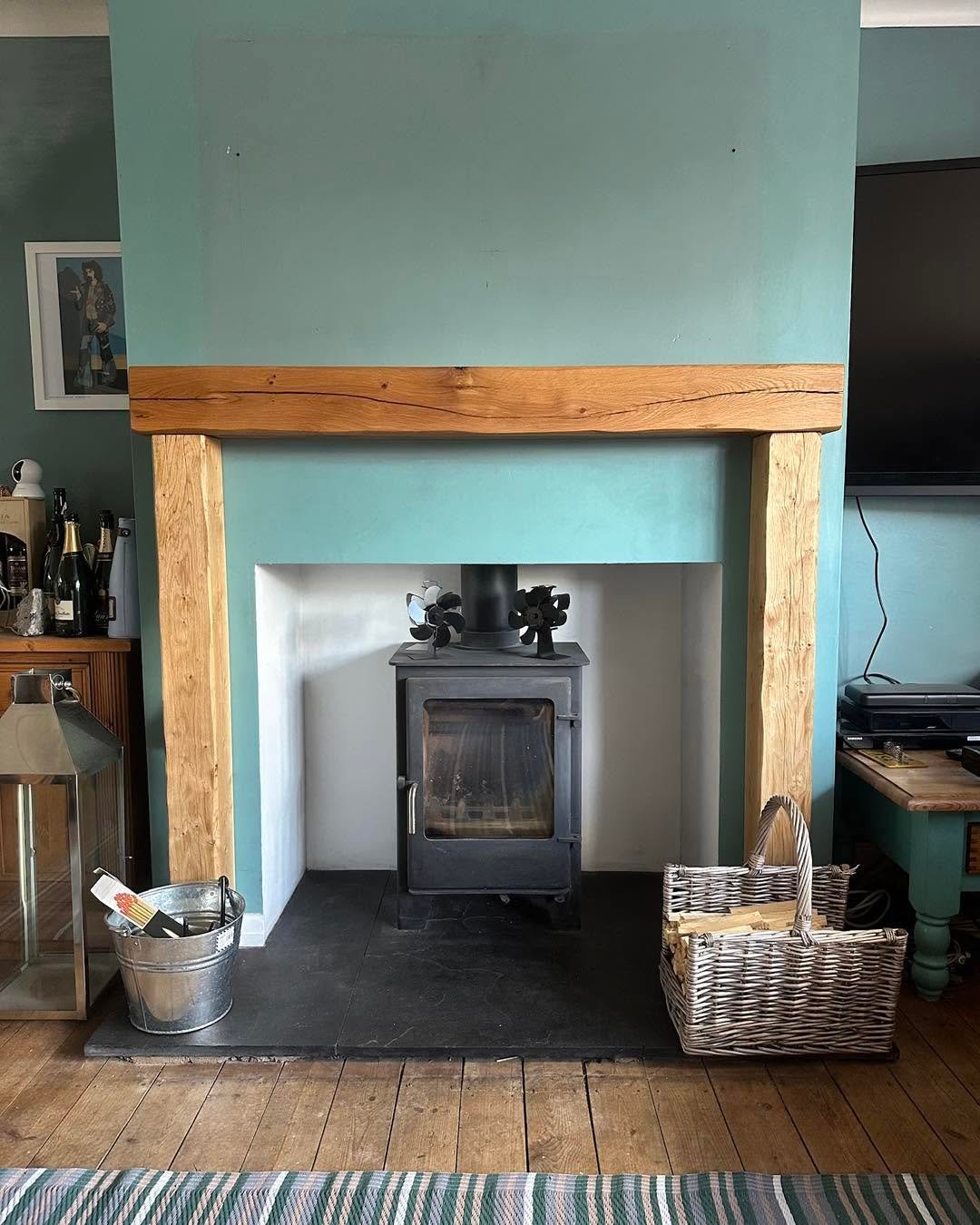
The best layout changes solve a real problem. Perhaps the kitchen is disconnected from the dining space. Perhaps a dark rear room could be improved with better sightlines and borrowed light. Perhaps an upstairs box room makes more sense as a compact office than as a cramped bedroom. Practicality beats trend every time.
Load-bearing wall removal is where design ambition meets structural reality. Steelwork can create fantastic spaces, but it must be specified correctly and installed with care. There is also a subtle design point that often gets missed. Some older homes actually benefit from retaining a little separation. A fully open ground floor can create heating inefficiencies, more cooking noise, and fewer quiet corners. Sometimes a widened opening, glazed partition, or reconfigured doorway gives the best of both worlds.
Extensions bring another layer of judgment. A side return or rear extension can unlock a house, but only if the new space connects naturally to the original one. I have seen projects where the extension itself was lovely, yet the transition felt clumsy, ceiling levels jarred, or the old part of the house was left looking tired by comparison. A good General Contractor does not focus only on the new square footage. They think about how the old and new parts meet, visually and technically.
Kitchens and bathrooms carry most of the daily load
If there is one lesson that comes up again and again in renovation, it is that kitchens and bathrooms need durable planning, not just stylish finishes. These rooms absorb the most use, the most moisture, and the most scrutiny.
In kitchens, layout matters more than showpiece features. Worktop runs, storage depth, lighting placement, extraction quality, and floor durability all have a bigger long-term impact than novelty details. In older homes, especially terraces, kitchen space can be tight. That makes precision more important. Deep drawers often outperform lower cupboards. Tall units can add significant storage if positioned to avoid blocking light. Integrated appliances look neat, but they should not come at the expense of usable prep space.
Bathrooms in older homes come with their own set of constraints. Soil pipe positions, joist directions, ventilation routes, and floor levels often shape what is feasible. A walk-in shower may be ideal, but only if the tray or former can be installed correctly and drained reliably. If the room is small, wall-hung sanitaryware can help visually, though servicing access must be considered. Good extraction is non-negotiable. Too many attractive bathrooms fail within a few years because moisture management was treated as a side issue.
The best room upgrades also anticipate maintenance. Matt black fittings may look smart but can show scale and fingerprints quickly. Certain stone surfaces need sealing and regular care. Timber worktops can be beautiful, yet they demand attention around sinks. None of these choices are wrong, but they should be made with open eyes.
Damp, timber, and ventilation, where older homes usually fight back
Damp is one of the most misunderstood parts of renovating older houses. It is often oversimplified, and that leads to poor solutions. A stain on a wall does not automatically mean rising damp. It could be condensation, a leaking gutter, bridged external ground levels, cracked render, failed pointing, defective flashings, or a plumbing issue. Treating the symptom without proving the cause is how money gets wasted.
Ventilation has become more important as homes get tighter and warmer. Once drafts are reduced and insulation improved, moisture created by showers, cooking, and drying clothes has fewer escape routes. That is good for energy efficiency, but only if extraction and background ventilation keep pace. Otherwise, condensation moves somewhere else, often behind furniture, in corners, or within cold spots around reveals and lintels.
Timber condition is another area where older homes demand respect. Floorboards may look sound until they are lifted. Roof timbers may have survived decades but still need local repair around historic leaks. Window frames might be salvageable with skilled joinery rather than full replacement. The right decision depends on spread, severity, access, and value, both practical and architectural.
A sensible on-site review usually checks these risk areas early:
- Roof coverings, flashings, gutters, and rainwater goods.
- External pointing, render condition, and ground levels against walls.
- Ventilation to kitchens, bathrooms, lofts, and suspended floors.
- Signs of timber decay around joist ends, sills, and previously damp areas.
- Evidence of past alterations that may have trapped moisture or weakened structure.
Catching these items before plastering and decorating begin can save thousands. More importantly, it prevents the demoralising cycle of finishing a room beautifully, only to reopen it a Property Renovation Hull year later.
Budgeting without wishful thinking
Older property renovation budgets fail for predictable reasons. The first is underestimating the invisible work. The second is fixing the finish level too early without understanding the condition of the shell. The third is assuming every surprise means someone has done something wrong. Often, surprises are simply part of uncovering an old building.
A responsible budget usually needs a contingency. The exact percentage depends on the scope and how much has already been investigated, but older homes warrant more breathing room than straightforward cosmetic projects. If the job involves structural changes, full service upgrades, damp remediation, or significant opening-up works, the contingency should be meaningful, not token.
Phasing can be smart when funds are tight. It is often better to complete one part of the house properly than to spread the budget thinly across every room. That said, certain works should be grouped even if the visible finishes come later. Rewiring half a house, then decorating, then rewiring the rest a year later, usually costs more and causes more disruption than a better-sequenced plan.
Clients also need clarity on where to spend and where to hold back. I often advise investing in fabric, services, and workmanship first. You can upgrade light fittings later. Repainting is easy. Reopening a new kitchen because pipework was rushed is not.
Choosing the right renovation team
A strong renovation team brings technical skill, but also temperament. Older properties do not reward blunt execution. They need people who can read the building, communicate clearly, and make sensible adjustments as conditions change.
Not every builder is suited to chmyorkshireltd.co.uk Property Maintenance Hull this kind of work. Renovating an older terrace or villa in Hull is different from working on a repetitive new-build package. Existing walls move. Floors dip. Previous owners have made unpredictable changes. Joining new work to old fabric takes patience and accuracy.
When speaking to a General Contractor, I would pay attention to how they discuss risk, sequencing, and unknowns. If every answer sounds effortless, be cautious. Competent professionals do not dramatise problems, but they do acknowledge complexity. They can explain why one approach is more appropriate than another, where allowances may be needed, and what order of works will reduce cost and disruption.
A few practical signs of a good fit stand out:
- They ask detailed questions about the building before talking finishes.
- They can explain trade-offs clearly, especially around structure, moisture, and insulation.
- Their quotations distinguish between confirmed work and provisional items.
- They talk about access, waste removal, protection, and programme, not just headline price.
- They are comfortable coordinating specialists when the job demands it.
That last point matters. Good renovation is collaborative. Structural engineers, electricians, plumbers, roofers, plasterers, and joiners all have a role. The difference between a smooth project and a chaotic one often comes down to how well those moving parts are managed.
Living through the works
Renovation is not only a construction exercise. It is a temporary way of life, and older home projects can be especially disruptive. Dust travels. Water and power may be interrupted. Rooms become storage spaces. Deliveries arrive when access is awkward. If the household is living in the property during the works, logistics matter almost as much as craftsmanship.
In occupied homes, I usually recommend identifying a protected zone early, one bedroom, one bathroom if possible, and a small functioning area for meals and daily routines. It sounds basic, but preserving some normality helps people make better decisions when the inevitable stresses appear. Tolerance drops quickly when every evening feels like camping.
There is also a psychological point worth making. Renovation often looks worse halfway through than many clients expect. Floors are up, plaster is off, cables are exposed, and nothing seems to progress in a straight line. This is normal. The value of planning and communication shows itself in that middle phase. If the scope, sequence, and budget logic have been explained well, the project stays grounded even when the house feels briefly chaotic.
What modern comfort really means in an older Hull home
Modern comfort is not about making an old house feel generic. It is about removing the small frictions that wear people down. Cold corners. Condensation on bedroom windows. Poor lighting in the kitchen. Too few sockets. A shower with weak pressure. A lovely front room that no one uses because it is hard to heat.
The best Property Renovation Hull projects keep the strengths of the building while quietly correcting its weaknesses. Original doors can coexist with efficient heating. Traditional brickwork can sit alongside better insulation. A period hallway can lead into a brighter, more functional family kitchen without the house losing its identity.
That is also where General Contractor Hull Property Maintenance HUll comes back into the picture. Renovation should leave a home not just improved, but manageable. Gutters accessible for cleaning, materials chosen for durability, bathrooms ventilated properly, external details repaired before they cause internal damage. A renovated property that immediately starts a new cycle of defects is not a success, no matter how polished it looked on completion day.
Older homes in Hull have real staying power. They can be warm, practical, efficient places to live if the work is done with care and clear priorities. The houses themselves usually tell you what they need. The skill lies in listening before changing them, then upgrading them in a way that respects their age while making daily life easier for the people inside.
CHM Yorkshire Ltd
Hull
HU9 5BU
Tel: 01482 455159
Website: https://www.chmyorkshireltd.co.uk